
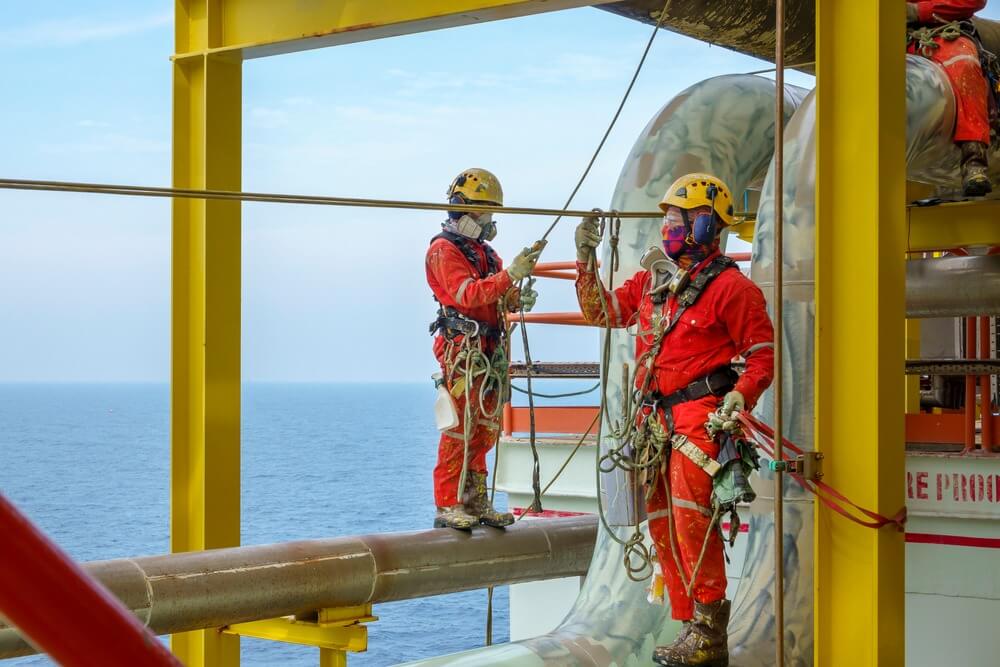
If you work on the water, you know the risks better than anyone working on land ever could. Rough seas, heavy equipment, long shifts, and unpredictable weather make maritime occupations among the most dangerous professions in Georgia.
If you suffer an on-the-job injury as a result of an employer’s negligence or an unsafe vessel, you may have the right to seek compensation under a federal law called the Jones Act. Learning your legal rights and options is the first step toward pursuing full and fair compensation for your injuries.
At Bayuk Pratt, we have more than 50 years of combined legal experience helping injured workers across Atlanta and coastal Georgia. Our founding partners, Frank Bayuk and Bradley Pratt, previously worked as senior partners for two of the world’s largest and most elite defense law firms. Today, we use that insider knowledge to anticipate the tactics that insurance companies and maritime employers use against injured seamen. We’ve recovered more than $2 Billion for our clients to date, so we know how to go up against large corporations and win.*
If you were hurt while working at sea, contact a Georgia Jones Act seaman claim lawyer at Bayuk Pratt now to learn more about how we can help in a free consultation.
What Is the Jones Act?
The Jones Act is a federal law that gives eligible seamen the right to sue their employers for negligence if they suffer injuries in the course of employment. Unlike most workers, seamen don’t fall under standard workers’ compensation systems. Congress created the Jones Act to fill that gap and give certain maritime workers a way to seek compensation when they suffer preventable injuries due to others’ negligence.
Under the Jones Act, maritime employers have a legal duty to provide reasonably safe work environments for their employees. The duty includes providing properly maintained equipment, adequate training, and safe working conditions aboard vessels. If an employer breaches that duty and a seaman is injured, the worker may be able to file a Jones Act negligence claim to seek compensation for medical bills, lost income, and other losses resulting from their injuries.
Who Qualifies as a Seaman Under the Jones Act?
Not every maritime worker automatically qualifies as a seaman under the Jones Act. Courts generally look at two factors to determine who meets the legal definition:
- Whether the worker spends a significant amount of time aboard a vessel in navigation (generally at least 30 percent)
- Whether the worker’s duties contribute to the function of the vessel
This definition covers a wide range of workers, including deckhands, engineers, fishermen, tugboat operators, and crew members on offshore support vessels. Port workers, like those at the Port of Savannah or the Port of Brunswick, may also qualify if they spend substantial time aboard vessels. If you’re unsure whether you meet the legal definition of a seaman, a Georgia offshore injury attorney at Bayuk Pratt can review your work history and clarify your status.
Why Maritime Injury Claims Are Different From Regular Injury Cases
Maritime injury claims follow a different set of rules than typical Georgia personal injury cases. Federal maritime law, also known as admiralty law, generally governs these claims rather than state law. Also, the legal standards for proving negligence differ significantly from the rules that apply to a standard personal injury case.
Seamen also have access to remedies that don’t exist in ordinary injury claims, such as “maintenance and cure” benefits. Those benefits provide compensation regardless of fault until the worker reaches maximum medical improvement (MMI).
Because Georgia seaman injury claims involve overlapping federal statutes, complex ownership structures, and maritime insurance policies, these cases require careful attention from someone who understands this specialized area of law.
Common Causes of Seaman Injuries
Maritime work exposes seamen to a wide range of hazards that land-based workers rarely face. Your employer or vessel owner may bear responsibility for your work-related injury if it results from incidents at sea like:
- Slips, trips, and falls on deck
- Dangerous equipment and machinery accidents
- Unsafe working conditions or employer negligence
- Vessel collisions, fire, and severe weather incidents
- Falls overboard
- Inadequate crew training or staffing
- Exposure to toxic substances or fumes
- Improper cargo loading and handling
What Are Some Types of Jones Act Claims?
Several distinct types of legal claims fall under the Jones Act and related maritime laws. Each addresses a different aspect of occupational injuries and carries unique legal requirements, which is why you should consult an experienced attorney if you think you might have a case.
- Negligence Claims Against Employers – A Jones Act negligence claim allows you to hold your employer accountable if their carelessness or failure to maintain a safe workplace leads to your injury. This type of negligence can include inadequate training, poor supervision, failure to address known hazards aboard a vessel, and other oversights.
- Unseaworthiness Claims Against Vessel Owners – Vessel owners must keep their ships reasonably fit for their intended use. If defective equipment, poor design, or inadequate crew training renders a vessel unseaworthy, injured seamen may pursue separate claims directly against vessel owners.
- Maintenance and Cure Claims – Maintenance and cure benefits require employers to pay for injured seamen’s daily living expenses and medical treatment while they recover, regardless of who caused the accident. These benefits are available independent of any negligence claim.
- Wrongful Death Claims Involving Seamen – If a maritime incident takes a seaman’s life, the worker’s surviving family members may pursue a wrongful death claim under the Jones Act to recover compensation for their loss.
Injuries Commonly Seen in Maritime Accidents
The physical demands and hazards of maritime work can lead to severe injuries that affect a seaman’s ability to earn a living.
Some of the most common injuries our firm sees in maritime injury cases include:
- Back and neck injuries
- Spinal cord injuries
- Head injuries
- Traumatic brain injuries
- Burns
- Broken bones
- Crushing injuries
- Long-term disabilities
- Chronic pain
- Traumatic amputations
- Hearing loss from equipment noise
What Compensation May Be Available for a Georgia Jones Act Seaman Claim?
A successful Jones Act claim can yield compensation for several categories of losses, depending on the nature of the injury and the circumstances surrounding it. In addition to maintenance and cure payments, which cover daily living costs and medical treatment during recovery, an injured maritime worker may pursue further compensation through a negligence or unseaworthiness claim.
- Medical Bills and Future Medical Expenses – Compensation can cover past and future medical bills related to the injury, including the costs of surgeries, physical therapy, medications, and long-term care.
- Lost Wages and Reduced Earning Capacity – If an injury keeps you off the job temporarily or permanently, you may recover compensation for lost income and any reduction in your future earning capacity.
- Pain and Suffering – Unlike maintenance and cure, which doesn’t account for pain and suffering, negligence or unseaworthiness claims allow you to seek compensation for this type of loss. Pain and suffering compensation accounts for the physical pain and emotional toll of your injuries.
How Our Georgia Jones Act Seaman Claim Lawyers Can Help You
Maritime claims involve complex factors such as federal statutes, vessel inspection records, and insurance adjusters who aggressively work to minimize payouts to injured workers. When you have battle-tested attorneys on your side, they can level the playing field and work to protect your rights.
Here’s what the Georgia Jones Act seaman claim lawyers at Bayuk Pratt can do for you:
- Investigate the Cause of the Injury – We can review the circumstances of the incident by examining vessel maintenance records, crew training practices, and safety protocols to determine what went wrong and who should be held responsible.
- Gather Evidence from the Vessel and Your Employer – Our team can work quickly to secure duty logs, inspection reports, witness statements, and other evidence before it disappears or gets altered.
- Deal with Maritime Insurance Companies – As former high-stakes defense attorneys, we know how maritime insurers evaluate and undervalue claims. We use that knowledge to negotiate from a position of strength.
- Protect Your Claim from Common Defense Tactics – Employers and insurers often try to shift blame onto injured workers or downplay the severity of occupational injuries. We can anticipate these tactics and build a solid case that withstands disputes.
What To Do After a Maritime Injury
The steps you take immediately after an accident can significantly shape the way your claim proceeds. Here’s how you can protect yourself:
- Report the Injury Immediately – Notify your supervisor or captain as soon as possible and make sure the incident gets documented in writing in the vessel’s official log.
- Get Medical Treatment Right Away – Prompt medical care is essential to protect your health and create a medical record linking your injury to the incident.
- Document the Accident and Your Symptoms – Take photos, write down what happened while it’s fresh in your memory, and keep track of your symptoms as they develop.
- Speak With a Maritime Lawyer Before Giving a Statement – Insurance adjusters and employers may ask you to give a recorded statement soon after the accident. Consult a lawyer first, so you don’t have to worry about saying anything that could hurt your claim.
Contact a Georgia Jones Act Seaman Claim Lawyer
Maritime injury claims come with strict deadlines. The statute of limitations for a Jones Act case generally gives you three years from the date of the accident to sue. This time limit applies whether your case involves an incident that occurred near the Port of Savannah, the Port of Brunswick, inland waterways like the Flint River, or on open water, so don’t delay.
If you were injured while working at sea, contact our Georgia Jones Act seaman claim lawyers today at Byuk Pratt for a free consultation. We can help you understand your injured seaman rights, investigate your claim, and pursue the compensation you deserve.
*Every case is unique and evaluated based on the facts of the case. Past results do not guarantee future outcomes.